
 for early access to the latest igaming videos!

 and get the latest igaming news first!










Burkina Faso, a country in West Africa that has over 23 million inhabitants, has established the gaming industry as part of the national effort for economic development in the country. The gaming industry comprises casinos, sports betting, and a few lotteries, and is expanding as there has been a growing interest from local and regional investments with commercial activities associated with new urban forms of recreation and tourism. The government continues to enforce strict restrictions and regulations on gaming through the existing acts, regulations, and policies, but recognizes that gaming and its operation can provide the government with income tax, taxes on the gross revenues, and employment opportunities. Recent public policy discussions have led to speculation about possible amendments to the gaming regulations to improve hands-on monitoring, compliance, and responsible gaming.
Table 1: Burkina Faso Gambling Market – Key Data (2025)
| Metric | Value/Details |
|---|---|
| Projected Growth Rate | 8.77% (2025), 11%+ by 2029 |
| Total Market Value (2021) | FCFA 64.6 billion (~USD 104 million) |
| Main Market Segments | Lotto (LONAB), Sports Betting, Casino |
| Leading Operator | Loterie Nationale Burkinabè (LONAB) |
| Number of Licensed Casinos | <5 major land-based venues |
| Mobile Penetration Rate | ~45% (2025) |
| Unified Gambling Tax | 15% on GGR (2025 onwards) |
Market Overview
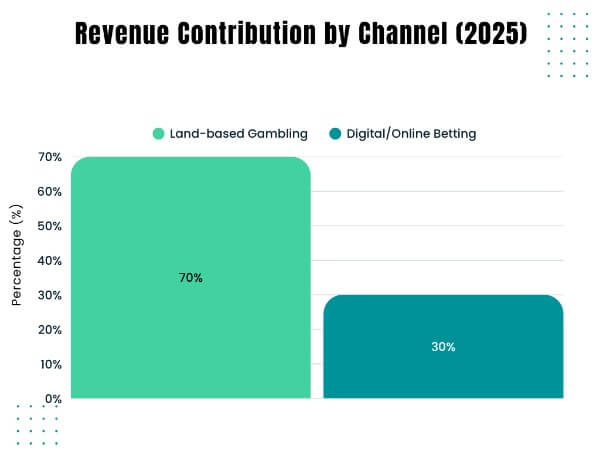
While Burkina Faso’s gaming and iGaming industry is still in its infancy, the growth prospects are evident and follow easily recognizable growth trends in the broader African market. The casino and gaming equipment market in Burkina Faso is projected to grow by 8.77% in 2025, growing over 11% annually by 2029. This consistent compound annual growth reflects a growing confidence in regulated forms of gambling—particularly casinos, sports betting, and regulated national lottery activity through Loterie Nationale Burkinabè (LONAB).
Market Size & Growth
In 2021, the gross gambling turnover in Burkina Faso was over FCFA 64.6 billion (≈USD 104 million) and is continuing to grow under a unified 5% rate of tax on gambling to take effect late in 2024. The African gambling market is expected to grow at an average CAGR of 7.06–7.54% through 2030. At a local level, the future trajectory of Burkina Faso sees it marked as an emerging mid-tier growth market within the ECOWAS region.
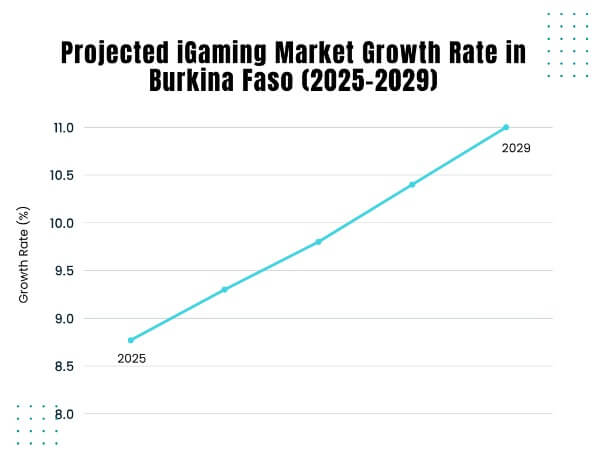
The tax reform has flattened rates of tax across the full spectrum of chance-based gambling, which has broadened the legal gaming landscape, while modernization of infrastructure has prompted the entry of increasing numbers of Chinese and European gaming and betting products. Land-based gambling continues to constitute over 70% of total market revenue, with digital betting, via offshore and unregulated online wagering, developing more slowly.
Popular Game Types
Burkina Faso’s gaming preferences are shaped by availability and sociocultural acceptance:
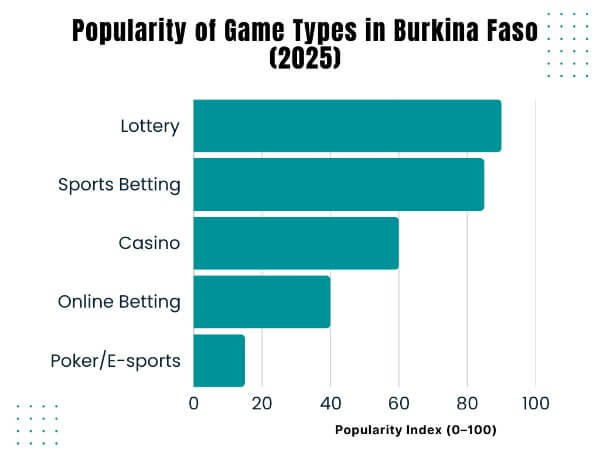
- Lottery Games: Operated by LONAB and still represent the single largest contributor to state revenue of all allowed gaming modes.
- Sports Betting: Extremely popular, particularly about football, driven by multiple national and international leagues. Local kiosks as well as mobile betting networks are doing extremely well.
- Casino Gaming: Concentrated in Ouagadougou and Bobo-Dioulasso, with many private clubs and hotel-based gaming areas targeting higher-income clientele.
- Online and Mobile Betting: Unregulated but widespread, with international sites accepting local mobile payment services such as Orange Money and Moov Africa.
- Poker and E-Sports: Still emerging, with very limited local involvement or promotion.
Player Demographics
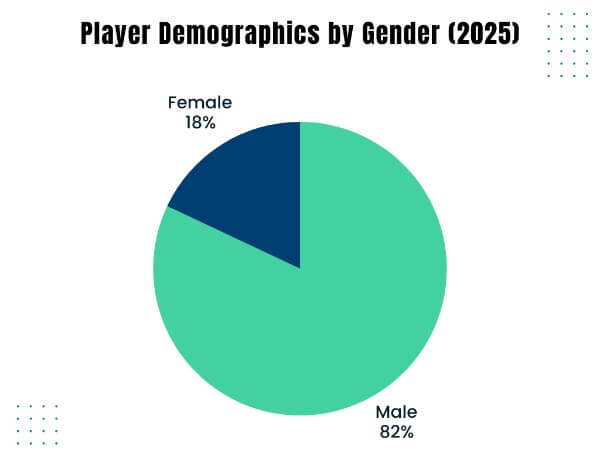
The average gambler in Burkina Faso is male (82%), 25-40 years old, lives in an urban area, and engages with digital technology. Youthful enthusiasm and the expected penetration of smartphones (45% estimated in 2025) are driving increased traffic in the mobile sports betting market.
Demograph highlights:
- Gender: On average, men make up 82% of all bettors in traditional sports betting. While female participation is under 20%, it is increasing in lotteries.
- Age: The age of primary engagement in the market is 25-39, but younger adults in urban areas aged 18-24 are increasing in participation levels because of social digitalization.
- Preferences: Consumers engage in low-stakes games frequently. Their engagement in the space mirrors their availability of disposable income. Consumers mostly engage in mobile betting, football betting, and social lottery betting.
- Urban to Rural: Most engagement in the market is urban; Ouagadougou holds more than half the total regulated gaming activity in Burkina Faso.
Regulatory Landscape
The legal framework surrounding gambling in Burkina Faso has gradually developed since the mid-1990s to create a framework for casinos, sports betting, and lotteries, while tightly controlling illegal and remote gambling. As of 2025, the sector operates under Law No. 024-96/AN, which is still the legislative backbone of the country’s gambling framework. While there are still some limitations, Burkina Faso could be considered one of the most open, but closely supervised, gaming markets in West Africa.
Overview of Existing Gambling Regulation
Law No. 024-96/AN (1996) has legalized gambling under the auspices of the Ministry of Territorial Administration and Security, which regulates casinos, sports betting, and lotteries. Online gambling, however, is in a legal gray area – it is neither specifically legal nor illegal, and there is no regulatory framework to support it. Government authorities have the discretion to block or suspend any digital site that operates without a license.
The country has a minimum legal age across all categories of gambling of 18 years. Conducting operators must have strong age verification, anti-money laundering, and responsible gaming procedures in line with the ECOWAS regional compliance guidance.
Licensing Requirements and Regulatory Authorities
The licensing authority primarily rests with the Commission Nationale des Jeux de Hasard (CNJH), which was established in 2012 as an agency of the Ministry of Finance. The CNJH has the responsibility to:
- License land-based casinos, lotteries, and sports betting.
- Conduct periodic audits/inspections of gaming establishments.
- Regulate AML and responsible gaming protocols.
- Apply penalties for violations of regulations.
Licensing takes place following a process of 4–6 months of review into financial disclosures, integrity, and operational viability. The Loterie Nationale Burkinabè (LONAB) remains an operator monopoly on national lotteries, but private operators can seek casino or bettor licenses under specific quotas.
Taxation and Compliance Details
Under the Finance Law of Burkina Faso cited for 2025, all licensed gambling operators will pay, as a tax, a flat rate of 15% of gross gaming revenue (GGR). The purpose of the flat tax was to establish one rate for all operators, which was an improvement over previous rates that were fragmented and ranged from 10% to 20%, to make it easier to comply with and increase transparency. The revenue generated for tax purposes will support national welfare funds and fund expenses for infrastructure improvements, with projections exceeding approximately USD 75–100 million per year by 2025. Gambling operators are also required to:
- Submit quarterly compliance reports.
- Keep records for AML for up to five years.
- Submit an independent certification of audit on an annual basis.
Table 2: Licensing, Regulatory, and Taxation Authorities
| Authority | Role/Responsibility | Details |
|---|---|---|
| CNJH | Issues licenses | Casino, sports betting |
| Ministry of Finance | Tax policy, AML oversight | Regulatory compliance |
| LONAB | Lottery operation, oversight | Monopoly, compliance |
| Ministry of Interior | Audits, enforcement | Legal supervision |
Upcoming Changes in Legislation
New developments indicate that Burkina Faso is reexamining outdated regulations to allow for the legalization of online and mobile gambling. The discussions in 2025 between Niger and Senegal regarding standardizing gaming laws in the region, especially related to digital licensing and cross-border tax collection, were conducted by intergovernmental agencies. Uruguay’s CNJH, according to a directive from the Ministry of Finance, is currently developing preliminary regulations to recognize online betting licenses and include ESG (environmental, social, and governance) criteria and data protection requirements for online operators.
In spite of some intermittent reporting of temporary suspensions of certain betting operators due to a social/political situation, the government continues to promote responsible development through modernization, rather than prohibition. Reform is happening now, expected to be completed by 2026, to update and explain parts of the gambling code to reflect international best practices and improve investor confidence by creating an updated, more transparent, and technologically aligned regulation.
Competitive Landscape
Key Market Players
The principal licensed entity is the Loterie Nationale Burkinabè (LONAB), holding an exclusive monopoly on lottery operations and dominating the regulated gambling landscape :
- LONAB:
- Scratch cards
- Draw-based lotteries
- Limited sports betting circuits
- Domestic sportsbook operators:
- Local betting kiosks permitted under CNJH licenses
- Often collaborate with foreign platforms for technical support
- International betting brands: (operating offshore but popular locally)
- Betwinner
- 1xBet
- Bet365
- Megapari
- 22Bet
- Crypto-enabled casinos:
- mBit Casino
- Blizz Casino
Table 3: Main Gambling Operators and Platforms
| Operator/Platform | Segment | Local/International | Market Role |
|---|---|---|---|
| LONAB | Lottery, Sports Betting | Local | Monopoly, regulates lotteries |
| Betwinner | Sports Betting | International | Popular offshore platform |
| 1xBet | Sports Betting | International | Offshore, popular locally |
| Bet365 | Sports Betting | International | Offshore, global reach |
| mBit Casino | Casino (Crypto) | International | Online, crypto payments |
| Local betting kiosks | Sports Betting | Local | Regulated outlets |
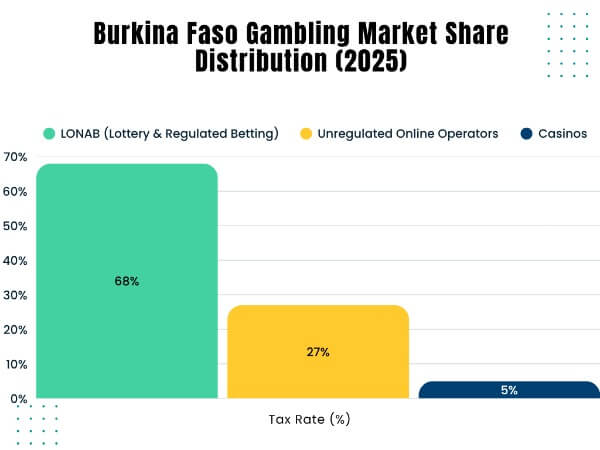
Market Share Distribution
- LONAB regulates about 65-70% of all gambling turnover.
- Unregulated online operators – around 25-30% of the market share, largely in online sports betting.
- Casinos – officially fewer than five, with a small portion of the market share.
- Sports betting – the fastest growing sector, mainly via mobile apps and deposit integrations (Orange Money, Moov Africa).
Partnerships and Strategic Alliances
In the past few years, we have witnessed an increase in cooperation and alliances:
- Intergovernmental cooperation:
- 2025: LONAB joined with Niger’s LONANI within the framework of the Alliance of Sahel States to harmonize operations with shared regulatory experience online
- Collaborations in technology:
- European and Asian manufacturers provide POS terminals and gaming equipment to local operators
- Sharing data with foreign sportsbook systems to manage odds and risk associated with betting opportunities
- Affiliates and brand alliances:
- African affiliates have identified revenue-sharing and co-marketing (e.g., sponsoring football and local gaming events)
The gambling ecosystem in Burkina Faso is slowly evolving from a fully state-owned company to a gradually hybrid public-private partnership approach that could set the basis for a diversified, competitive environment.
Consumer Trends
Player Behavior and Preferences
In Burkina Faso, gamers tend to prefer low-to medium-stakes and frequent play due to urban youths and football aficionados.
Most Popular Activities:
- Sports betting – including international football matches
- Lotto – either through a game of chance or instant scratch games
- Limited casino play – limited mainly to Ouagadougou and larger urban areas
Entertainment Drivers:
- High demand from users aged 18–39
- A desire to interact via mobile or online access – even if most providers are unregulated or non-compliant
- Casual social gambling from local festivals and ceremonies (especially in rural areas)
Payment Methods and Technological Trends
The adoption of digital solutions and financial innovation is transforming how payments are made.
Mobile Money:
- Orange Money and Moov Africa were popularly used for deposits and withdrawals.
Bank Cards:
- Visa, MasterCard, and some local debit options are accepted by the formal operators.
Cryptocurrency:
- Increased interest among some buyers of Bitcoin and Ethereum for international sites.
Prepaid Cards/Vouchers:
- Typically used to limit expenditure while providing an additional layer of anonymity on neighbor, domestic, or offshore betting sites.
Table 4: Gambling and Payment Methods
| Method | Usage/Popularity | Details/Platforms |
|---|---|---|
| Orange Money | High | Mobile deposits/withdrawals |
| Moov Africa | High | Mobile betting payments |
| Bank Cards (Visa, MC) | Moderate | Casinos, betting kiosks |
| Crypto (BTC, ETH) | Emerging | Offshore casinos |
| Prepaid Cards/Vouchers | Growing | Limit spend, anonymity |
Tech trends:
- Rapid mobile adoption (over 57% device penetration)
- Emergence of mobile-friendly casino sites and apps
- Faster payouts and simplified KYC processes, especially with e-wallets and vouchers
Social and Cultural Influences
Gambling and betting are accepted social norms in urban centers, and this is increasingly accepted among young people. However, several cultural and social determinants shape the sector:
- Community gambling (festivals, informal betting): especially prevalent in rural areas.
- Urban mainstreaming: Sports betting is a largely accepted leisure-time activity among fans at kiosks or by using mobile applications to bet on matches.
- Responsible gaming awareness: growing slowly; self-exclusion tools and betting limits are recommended but not yet widely adopted.
- Local economic influence: Increases in middle-income households mean spending on discretionary entertainment, including gaming, is increasing.
- Religious and social conservatism: could potentially restrict uptake in some areas, but is not as predominant in large urban centers or among the youth.
Table 5: Consumer Demographics and Preferences
| Demographic | Details |
|---|---|
| Age | 18–39 (core user group) |
| Gender | ~82% male (sports betting) |
| Region | Urban (Ouagadougou) dominant |
| Preferred Games | Football betting, lottery, and casino |
| Technology Use | Mobile, e-wallets, online sites |
Opportunities & Challenges
Opportunities:
- Risk Capital: A healthy projected growth rate (8-11% CAGR through 2029) provides opportunities for early movers looking to mainline investment in the development of infrastructure and homegrown leisure entertainment breakouts for consumers.
- Ties to Tourism: The gaming space has the potential to leverage tourism development, particularly in leisure resorts and hotel casinos.
- Technology: The use of advanced gaming technology and digital payment systems can provide better oversight of compliance, but also lead to an even bolder modernization of the industry.
Challenges:
- Legal Ambiguity: Meshed-in complex laws that don’t keep up with digital gambling are dissuading international operator prospects.
- Wires and Access to Resources: Without reliable power, fragile digital payment ecosystems, and low-income consumer bases, the gambling ecosystem will not reach a scale.
- Traditional Resistance: Socially-driven conservatism limits the expectation for certain gambling formats, including online-based gaming.
Conclusion & Recommendations
Burkina Faso’s iGaming and gambling market is at an early but pivotal stage of development. With anticipated annual growth exceeding eight percent and heightened preparation for cross-sector engagement through tourism, entertainment, and payment technology, there is a strong potential for a foundational future. With limited regulatory clarity and significant infrastructural hurdles limiting further development, there remains a risk to growth and sustainability.
Considerations for building an entry strategy:
- Partner with licensed operators to develop local partnerships to assist with compliance and community engagement.
- Invest first in physical gaming infrastructure and payment compatibility before entering online gaming.
- Advocate for transparent approaches to regulating gaming that align with the ECOWAS digitalization framework.
- Consider how to institute responsible gaming campaigns that build trust in the community and drive sustainability in the market.
If successful, by 2030, Burkina Faso could emerge as a positive and viable hub for responsible gaming innovation in Francophone West Africa.
Data and Sources:
- 6Wresearch: Market size, growth rate, gaming equipment trends;
- Legal Pilot: Regulatory structure, licensing requirements, legal status of gambling and online betting;
- Focus GN: Partnerships, market alliances (LONAB-LONANI collaboration);
- Betzillion: International betting brands, market player popularity;
- Bookmakers.bet: Popular sportsbook brands and offshore operations;
- Statista: Player demographics, digital trends, market forecasts;
- Casinotics: Payment methods, tech adoption, consumer behavior;
- ForInsights Consultancy: Online gambling market and trends;
- African Marketing Confederation: Social and cultural influences on betting;


