for early access to the latest igaming videos!


 and get the latest igaming news first!










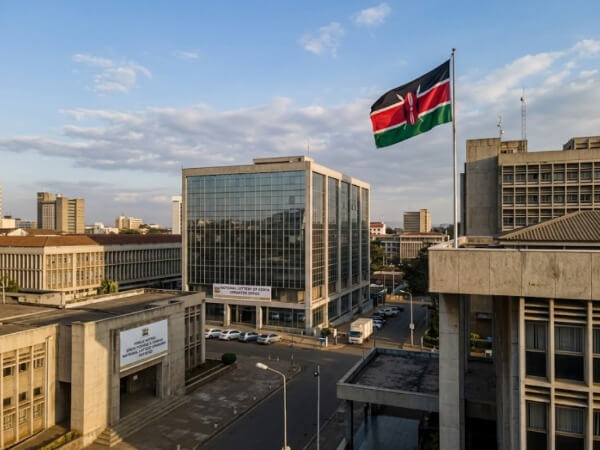
Kenya has begun the process of appointing the operator that will run its first National Lottery, with the government placing the scheme’s future revenues firmly around public and community funding.
The National Lottery Board has selected a consortium led by RSM Eastern Africa, working with Sweden-based QLOT Consulting, to advise it through the next stages. The assignment covers the commercial structure of the lottery, operator procurement, onboarding and preparations for launch.
The appointment follows an international tender conducted under Kenya’s Public Procurement and Asset Disposal Act of 2015. Bids were assessed through a Quality and Cost Based Selection process, with the RSM-QLOT consortium ranked highest.
The choice is significant because the adviser will help shape the commercial framework before an operator is brought in. The Board also expects the arrangement to include a formal transfer of expertise so that knowledge developed during the project remains inside the institution.
A lottery built around public funding
The proposed National Lottery is being positioned less as another gambling product than as a funding mechanism.
Money generated by the lottery will first cover prizes and operating costs. The remaining proceeds will go into the National Lottery Fund, which is legally intended to support a wide range of public-interest causes.
The list includes charitable and humanitarian programmes, economic opportunities for young people and women, sport, arts and the creative economy, national heritage, health and education, emergency response and major national projects.
The Board says funding will be distributed under published rules, with independent audits and public reporting. The intention is for allocations to reach communities across the country rather than remain concentrated in a particular region or sector.
That creates a second challenge beyond finding an operator: building a system in which the movement of lottery money can be tracked and scrutinised.
Responsible gambling is also expected to form part of the operating model from the start. Age checks, spending and playing limits, self-exclusion tools, controlled advertising and clear information about odds are to be included in the operator’s obligations.
Two regulators, separate roles
Kenya’s new lottery will sit within a broader gambling regulatory structure.
The National Lottery Board was created under the National Lottery Act of 2023. Its responsibilities include establishing and overseeing the lottery, selecting and contracting its operator, and administering the National Lottery Fund.
The wider gaming sector is regulated separately by the Gambling Regulatory Authority, established under the Gambling Control Act of 2025. The eventual lottery operator will need a licence under that framework while also remaining contractually answerable to the National Lottery Board.
The distinction matters. The Board will control the lottery’s structure and public-funding mandate, while the Gambling Regulatory Authority handles licensing and regulation of gaming activity more broadly.
The next stage is therefore not simply a search for a company to run lottery games. The Board must now construct the competitive process for selecting that operator.
No timetable has yet been announced. The Board has indicated that it intends to publish the schedule in due course and will prioritise the integrity of the process over speed.
For Kenya, the first operator will ultimately determine how the lottery reaches players. The framework being built now will determine something just as important: how the money generated from them reaches the public.
Source: www.kbc.co.k