
 for early access to the latest igaming videos!


 and get the latest igaming news first!










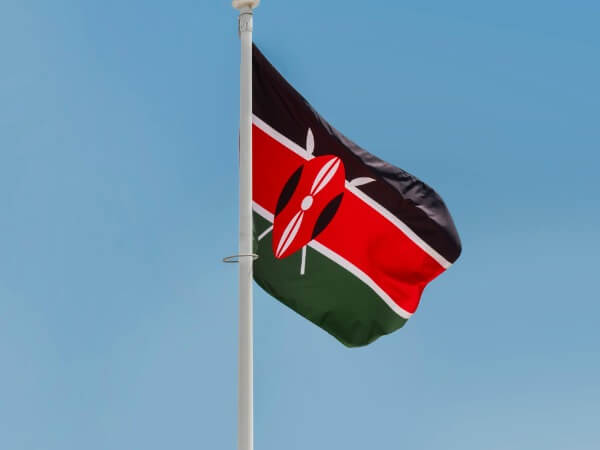
In Nairobi’s boardrooms, studios, and control rooms, a quiet transformation is taking place. Kenya’s gaming industry is being redefined by women who are turning regulation, technology, and communication into engines of progress.
What was once a small, fragmented market has become one of Africa’s most dynamic gaming ecosystems. Now, it is being shaped by voices that understand both innovation and accountability.
The latest Women in Gaming Africa feature shines a light on five Kenyan leaders who are not only driving growth but also rewriting what gaming leadership looks like across the continent. For market data and trends, see the Kenya iGaming Market Research Report.
Regulators shaping trust through structure
From local casinos to a regulated digital ecosystem, Kenya’s gaming framework has evolved through steady reform and strong leadership.
When Esther Argwings joined the Gaming, Betting Control and Licensing Board more than two decades ago, the landscape was almost unrecognisable. Casinos operated under looser oversight, online platforms were emerging, and public understanding of responsible gaming was limited.
Now, as assistant director, Argwings stands at the centre of a regulatory system built on structure and trust. She helped shape the Gambling Control Act of 2025, a landmark that introduced clearer compliance standards and stronger player protection.
She said:
“The public needs to be sensitised about the harms of gambling and the importance of responsible play. We’re working to ensure players can access help when they need it, and to build a system that prioritises safety and compliance.”
Her message is this: Kenya is no longer a testing ground. It is a blueprint for how emerging markets can grow responsibly. That belief is shared by the next generation of professionals connecting Kenya to the world stage.
Connecting Kenya’s talent with global platforms
Innovation in Kenya is not about copying global models, but connecting them with local creativity.
At QTech Games, Agatha Wanjugu sees Kenya’s strength in its ability to bridge worlds. She said:
“It’s not just about importing games. It’s about building ecosystems that include esports, homegrown content and partnerships that celebrate African creativity.”
Her team works to adapt international titles to local audiences, fine-tuning everything from player engagement to language and bonuses. For her, localisation is not a technical adjustment; it is an act of cultural translation.
Agatha believes that Africa’s gaming identity will be built by collaboration. She said:
“We work closely with partners to adapt offerings to African markets, from language to bonuses to player engagement. By amplifying local voices and ensuring responsible growth, we’re helping shape a sustainable gaming future.”
That same sense of balance between global reach and local meaning drives Kenya’s platform innovators.
Building African frameworks for global content
Technology can power expansion, but culture determines its success.
Zsuzsanna Zeibig, general manager at EGT Kenya, knows this balance well. She began her career as a croupier and now oversees both digital and land-based operations across multiple African countries.
She believes Kenya’s rise has come from recognising that regulation should not be imported wholesale.
“But one of the biggest challenges is that new markets often try to copy existing Western regulations. African countries should learn from one another instead, because each market has unique cultural, economic and political dynamics.”
For Zeibig, the future of gaming in Africa lies in frameworks designed for African realities. Sports betting and crash games dominate today, but digital casino content is growing fast.
“The most exciting part is that we’re here at the beginning, helping shape how digital gaming evolves in Africa.”
Her focus on local identity echoes another leader’s belief that Kenya’s story must be told by those who live it.
Giving Kenya’s industry its voice
Every industry needs a voice, and Kenya’s gaming sector is finding its own.
Lola Okulo, co-founder of Tact Communications and former head of PR for BetPawa Africa, has spent nearly ten years giving that voice structure.
“This industry contributes so much to sports and ecommerce, but often struggles with reputation and misunderstanding. Communications should sit at the heart of business strategy, guiding decisions and building trust.”
Her work blends storytelling with advocacy. She argues that Kenya’s mobile-first economy and fintech infrastructure are major strengths, but that trust and transparency are what will sustain growth. She remarked:
“When communications leads from the top, we prevent issues before they arise and tell our story with pride.”
For Lola, strong communication is about messaging but about shaping how an entire continent sees itself.
And in Kenya’s legal circles, that message is being reinforced by a new generation of compliance-driven innovators.
Legal innovation and responsible growth
Ethics and technology are not opposites; in Kenya, they work together.
Aileen Yonah-Mima, general counsel at Carnaval Kenya Ltd, is using technology to make responsibility measurable. Her focus is on AI integration, where machine learning tools can personalise player experiences while protecting them from harm.
“AI can help personalise player experiences while mitigating risk, ensuring both sustainable business and player welfare.”
Aileen also leads CSR projects that strengthen community ties, from youth programmes to digital literacy initiatives. She insists:
“We’re not just a market. We’re a Silicon Savannah, driven by creativity and technology. Success here comes from deep investment in local talent, not surface-level presence.”
Her words capture the essence of Kenya’s gaming transformation: innovation rooted in people, not only platforms.
Africa’s story, written by its women
The future of African gaming is not waiting to arrive; it is being built in real time.
From regulators who champion structure to innovators who connect continents, Kenya’s women are proving that growth can be ethical, sustainable, and inclusive. Their leadership has made the country a model for how regulation, creativity, and responsibility can coexist.
As Kenya continues to set new standards for innovation, the question is no longer whether Africa will shape the global gaming future, but how quickly the rest of the world will follow its lead.
Will Kenya’s “Silicon Savannah” become the model for inclusive gaming across the continent?
Source: iGaming Business


