for early access to the latest igaming videos!


 and get the latest igaming news first!










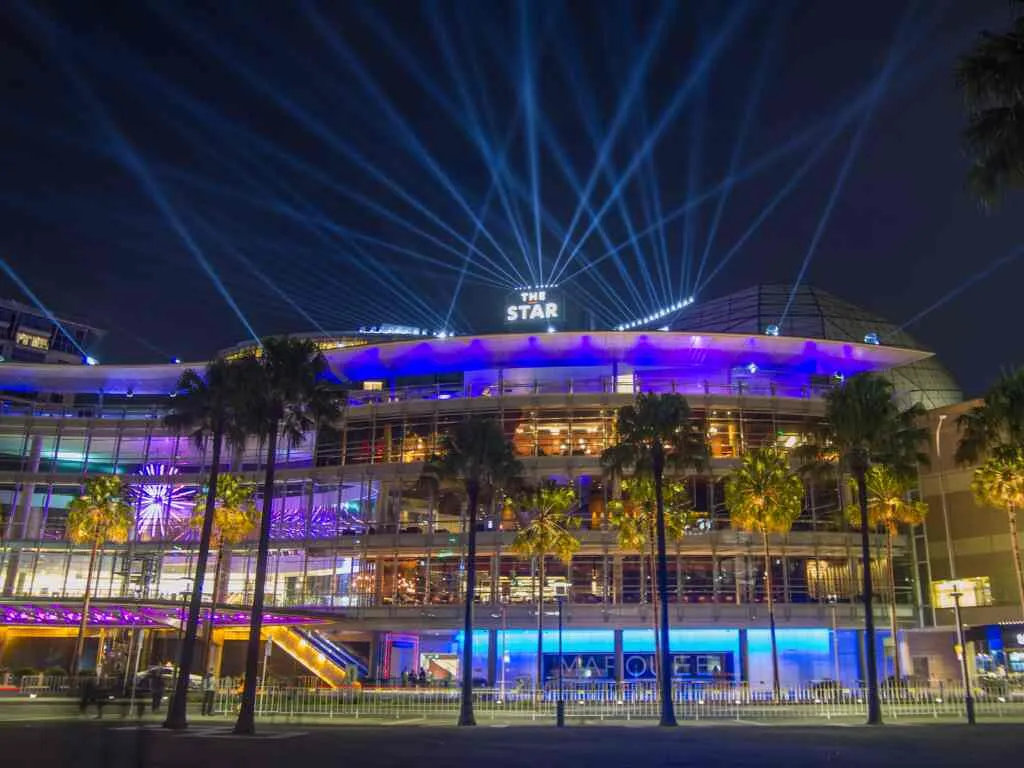
Star Entertainment Group achieved EBITDA profitability in Q3, with better earnings from its electronic gaming machines in Sydney and the Gold Coast casinos, along with reduced operational expenses. Star Entertainment Group generated AU$12 million ($8.4 million) in EBITDA during the first quarter of the FY27 financial year, compared to a loss of AU$13 million ($9.1 million) in the previous year.
The improvement came as combined revenue at the 2 properties increased for the first time year-on-year since mandatory reporting began with the September 2024 quarter. However, cash outflows and continuing regulatory restrictions remained part of the group’s position.
Gold Coast Leads Property Revenue Growth
Combined Sydney and Gold Coast revenue rose 5% year-on-year and 9% from the preceding quarter to AU$279 million ($194.6 million). Star attributed the growth in gaming machine revenue to marketing and promotional initiatives.
Gold Coast revenue climbed 12% to AU$117 million ($81.6 million), with property EBITDA increasing 92% to AU$20 million ($14.0 million). Revenue at the Sydney casino was up 1% to AU$162 million ($113.0 million), with increased machine revenue offsetting soft table games and non-gaming earnings.
Sydney EBITDA reached AU$15 million ($10.5 million), helped by cost efficiencies. CEO Bruce Mathieson Jnr said the improvement in trading had continued into October.
Group revenue rose 2% to AU$284 million ($198.1 million). Growth was partly restrained by Brisbane operator fees, which fell 67% to approximately AU$5 million ($3.5 million) under an amended Casino Management Agreement.
Property Teams Receive Greater Operational Control
Unallocated corporate costs declined 29% to AU$23 million ($16.0 million). The company intends to use further savings to support additional marketing investment.
At Tuesday’s annual general meeting, Chairman Soo Kim said Star had removed tens of millions of dollars in excess corporate costs. He also outlined a shift in authority and accountability towards individual property teams.
Operational control was decentralized this month so property management could respond to local market conditions. Corporate functions continue overseeing remediation, legal matters, and compliance, retaining those responsibilities while properties take greater control of their operations.
Cash Outflows Continue Despite Underlying Improvement
Kim noted that the refinancing would have addressed the short-term maturity issues for the company, giving them additional time for their turnaround strategy. However, the cash flow statement for the quarter showed net operating outflows of AU$15.5 million ($10.8 million).
The non-recurring items included casino duty payments from history and tax receipts. Star said operating free cash flow was positive when those items were excluded, distinguishing that underlying result from the reported quarterly outflow.
The group expects FY27 to deliver its first annual net operating cash inflow in more than 2 years. Cash and cash equivalents fell to AU$239.4 million ($167.0 million) at 30 September, from AU$267.1 million ($186.3 million) at 30 June.
Material uncertainties remain over the group’s ability to continue as a going concern, despite the improvement in earnings and the completed refinancing.
Casino Oversight Arrangements Remain in Place
Mathieson said more than 85% of remediation plan milestones had been completed, but expressed disappointment with the latest regulatory outcome.
Sydney’s casino license remains suspended, and its appointed manager’s term has been extended to 30 June 2027. Gold Coast’s license suspension remains deferred, with its special manager continuing until 31 March 2027.
Brisbane’s external adviser appointment has also been extended to 31 March 2027. These arrangements continue alongside the group’s remediation work, even as it reports stronger property revenue and lower corporate costs.
Source: ASEAN Gaming