
 for early access to the latest igaming videos!


 and get the latest igaming news first!










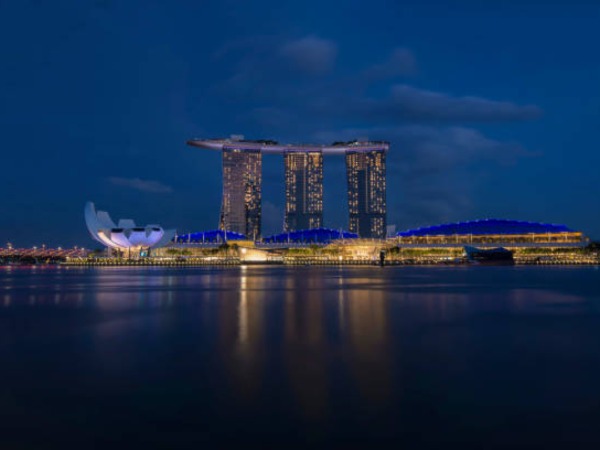
Las Vegas Sands Corp continues to leverage robust performance from its Singapore operation, even as Macau gaming companies grapple with rising costs in the fourth quarter of 2025. Seaport Research Partners senior analyst Vitaly Umansky noted in a Wednesday earnings preview that Sands China benefits from Macau’s top-line growth while the company’s Marina Bay Sands property dominates Singapore’s duopoly market. Umansky positioned LVS for long-term gains through Asia-Pacific diversification.
Marina Bay Sands has beaten expectations for several quarters now, and results for 4Q25E should also be relatively strong. Its premium positioning provides a solid lead in the tightly controlled Singapore market over its competitor, Resorts World Sentosa. Singapore’s stability compares to Macau’s pressures on operations as rising costs offset revenue gains.
Umansky flagged Las Vegas Sands chairman and CEO Robert Goldstein’s planned departure to an advisory role in March 2026. Goldstein’s 45-plus years of gaming experience represents a significant loss, though the company’s management depth mitigates risks. Seaport expects LVS to maintain shareholder returns through ongoing stock buybacks and dividend growth. Sands China could raise its dividend as business conditions improve.
Sands China Regains Ground in Macau
Sands China lost share at the end of 2024 and the first half of 2025, but it has since regained its position over the last two quarters. Management has restructured teams and revamped marketing, aside from adjusting player reinvestment strategies; Umansky believes all these changes would further spur more share gains and margin expansion to position it to capitalize on Macau’s recovery trajectory.
Galaxy Poised for Long-Term Macau Dominance
Galaxy Entertainment Group stands out as a structural winner in Macau. Galaxy Macau’s Phase 3 expansion, including the ultra-luxury Capella hotel that opened last year, continues ramping up. Phase 4 development, slated for 2027, promises even greater capacity. Galaxy gained share throughout 2025, with more significant expansion expected post-Phase 4.
The company maintains a stellar net cash balance sheet. Seaport thinks small debt bumps can cut capital costs and unlock bigger returns for shareholders through buybacks or higher dividends. On solid free cash flow momentum, a dividend hike in 2026 seems likely.
Melco’s Turnaround Faces Temporary Setbacks
But the brokerage has framed Melco Resorts as a 2025 turnaround story, citing the impact of new senior leadership carrying out tweaks in marketing and operations at City of Dreams and Studio City, even though near-term headwinds may be created. Those efforts yielded share gains initially. Recent pressure, particularly in 4Q25, appears temporary according to Seaport.
MGM and SJM Navigate Competitive Headwinds
MGM China gained roughly 600 basis points of market share versus 2019 levels, driven by premium mass play and early adoption of smart digital tables. Competitors now challenge that position with their own table technology and property expansions, creating headwinds.
SJM Holdings struggles in Macau’s competitive landscape. Satellite casino closures, completed by year-end, leave SJM as the biggest share loser in 4Q25 and potentially 2026. Debt concerns persist amid a slow ramp at Grand Lisboa Palace. Recent bond refinancing carried higher costs, eliminating near-term dividend capacity, a former shareholder draw.
Diversification Offsets Macau Volatility
Singapore’s strength bolsters LVS amid Macau’s cost escalation and operator-specific challenges. Galaxy’s expansions promise growth, while Melco’s initiatives show promise despite setbacks. MGM and Wynn face competitive tests, and SJM lags structurally. Seaport’s outlook underscores how geographic spread and property positioning determine resilience in Asia’s gaming markets.
Source: GGR Asia


