for early access to the latest igaming videos!


 and get the latest igaming news first!









Ireland has left a proposed online gambling levy out of the first draft of the European Union’s 2028-2034 budget, despite earlier calls for the measure to be included.
The omission emerged after Ireland, which took over as lead negotiator of the budget process in July, published its initial framework for discussions on the bloc’s next long-term spending plan.
The draft sets out a spending ceiling of €1.62trn in constant 2025 prices, equivalent to around €1.85trn in current prices, although the figures remain subject to negotiations between EU member states.
Notably absent from the proposal is a common tax on online gambling revenue, an idea previously put forward by the Socialists and Democrats (S&D) group in the European Parliament, according to SBC News.
Romania’s 1% tax proposal had more critics than backers
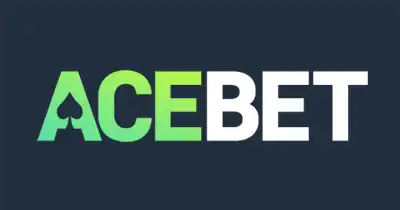
The idea of an EU-wide gambling tax was put forward by Romanian MEP Victor Negrescu and the Socialists and Democrats group. Polish Prime Minister Donald Tusk also announced support for the proposed tax at the Visegrád Group summit in Bratislava last month.
The proposal called for a 1% levy on licensed gambling revenue across the EU, with supporters arguing it could generate between €2bn and €4bn a year for projects linked to education, mental health, youth programmes, addiction prevention and child protection.
Despite those goals, the plan quickly faced resistance. The European Gaming and Betting Association was among the first to oppose the proposal, and Malta later joined the criticism. Maltese officials argued that gambling taxation should remain a matter for individual member states rather than being decided at EU level.
Racing industry welcomes decision after calls for exclusion
The omission was welcomed by racing bodies that had spent recent weeks lobbying against the inclusion of horserace betting in any future EU gambling levy.
In a letter sent last Thursday, the European and Mediterranean Horseracing Federation (EMHF) and the European Trotting Union (UET) urged Irish ministers Thomas Byrne and Simon Harris to oppose any proposal that would apply an additional tax to horserace betting.
The two organisations argued that further taxation could have unintended consequences, including pushing more consumers towards illegal operators, reducing funding for racing and lowering tax receipts.
EMHF chief executive Dr Paull Khan said: “Horseracing should not be treated like an online casino or slot product.”
This follows a similar move by the British racing industry, which argued that hiking gambling taxes or imposing additional burdens on horse racing would cause significant financial damage to the sport. Led by the British Horseracing Authority (BHA), the sector launched major lobbying efforts, and in March 2026, the UK government announced it will be sticking with the current 10% levy rate.
After Ireland’s draft budget was published without the proposed gambling levy, both organisations welcomed the outcome according to iGaming Times. However, they warned that the debate is not necessarily over and called for any future proposals to assess horserace betting separately from other forms of gambling.