for early access to the latest igaming videos!


 and get the latest igaming news first!










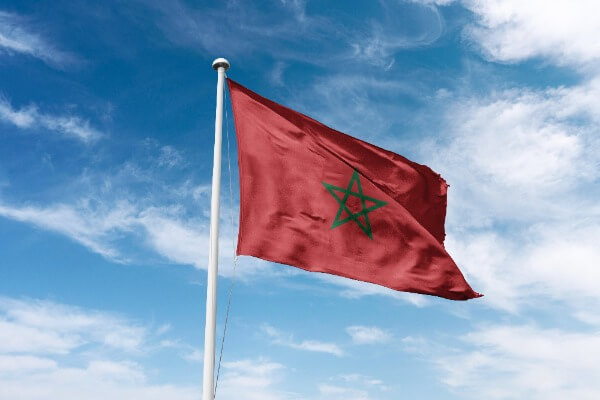

Morocco is a North African country in the region called Maghreb. This is a country with a history of colonialism, as it was under the French until its independence in 1956. Known for its delicious food, architecture, and the Sahara desert, Morocco is a country of colorful cities and beautiful nature and culture. Morocco is a politically stable country, with lower-middle income households.
When it comes to the gambling industry of this country, it has had a long history. From old forms of gambling to today, Morocco has evolved significantly regarding its legal framework. Gambling has been fully legal in Morocco since 1930 and the market has been working well since then. In the rest of this article we will tackle Morocco’s gambling industry and legal framework.
This article was updated on April 30, 2026.
If you want to know more about the iGaming market in Morocco, read the full research report.
Does Morocco Have Its Own Gambling License?
Morocco does have its own gambling license for land-based gambling facilities. Operators need to obtain a license in order to start a gambling business. When it comes to online gambling, the story is transitioning. While there is no full open-market licensing system for private online operators yet, the government has begun implementing fiscal measures that recognize this activity. Under recent reforms, including the 2025 Finance Bill, the government introduced a 30% withholding tax on winnings from foreign online gambling platforms, signaling a move toward bringing the sector under more formal oversight.
Who Oversees Gambling Regulations in Morocco?
There are two primary gaming regulatory agencies in Morocco. First is the Ministry of Youth and Sports (Ministère de la Jeunesse et des Sports), and the second is the Royal Society for the Encouragement of Horses (Société Royale d’Encouragement Du Cheval (SOREC)). They manage operations regarding casinos and racing, while the Ministry of Finance also overlooks the industry to ensure safety and transparency. Additionally, the National Telecommunications Regulatory Agency (ANRT) has recently taken a more active role in monitoring digital platforms to protect younger users.
An Overview of Morocco’s Gambling Laws
Considering Morocco is an Islamic country, it stands out among other Islamic African countries with its gambling laws. The main law regulating the gambling industry in Morocco is Dahir No. 1-65-206. Passed in 1966, it provides the foundational guidelines for gambling activities. All forms of gambling are strictly regulated, and only certain types are allowed. The law categorizes activities into groups like casinos, lotteries, and sports betting. The legal framework is largely influenced by the French code due to historical ties.
Casinos, lotteries, and sports betting are allowed in the country. Land-based casinos are licensed and work according to law. Lotteries, such as La Marocaine des Jeux et des Sports (MDJS), are controlled by the state; they generate revenue for the country and raise money for charitable and sporting causes. Sports betting remains popular, but the government is increasingly cracking down on unlicensed promotion, including recent judicial investigations into social media influencers promoting offshore sites. Online gambling remains a complex area; while not officially licensed for private domestic operators, it is now subject to specific tax obligations on winnings.
Enforcement of Moroccan gambling laws is conducted through regular inspections of licensed facilities. Authorities have also intensified efforts to block unauthorized betting sites, though this has faced recent legal challenges in the Casablanca Court of Appeal, leading to a temporary stay on certain telecom blocking orders as of early 2026.
Online Gambling in Morocco
While land-based gambling in Morocco is regulated strictly, online gambling is a sector currently in flux. There is no formal domestic licensing system for private online casinos, but the “gray area” is narrowing. Many offshore casinos accept Moroccan players, and these sites often offer services in Arabic or French.
The Moroccan government has shifted from passive observation to active fiscal and protective regulation. New draft laws in 2026 aim to restrict minors’ access to online gaming platforms, requiring age verification and parental controls. Furthermore, the 2025 tax reforms on offshore winnings suggest that while the sector remains technically unregulated in terms of licensing, the state is now actively reclaiming revenue from the market.
Social Problems
Unregulated forms of gambling can lead to many social problems in the country. Unregulated gambling is a breeding ground for criminal activities, and many players turn to underground or unlicensed platforms for perceived “better odds,” which often leads to fraud.
Another significant concern is addiction and financial instability. The Moroccan government is addressing this through stricter advertising standards and the introduction of digital protection laws designed to shield children and teenagers from the risks of online gaming and betting platforms.
Closing Thoughts
Morocco is a developing country with a progressing economy and industry. Even though it is an Islamic country, its gambling industry is active and regulated by law. While land-based options are well-established, the digital frontier is currently being reshaped by new tax laws and minor-protection regulations. Morocco is a country looking to balance the significant revenue generated by gambling—especially from tourism—with the need for robust consumer protection. The recent move to tax offshore winnings and regulate digital access suggests that Morocco is steadily moving toward a more modern, comprehensive regulatory framework for the digital age.