
 for early access to the latest igaming videos!


 and get the latest igaming news first!










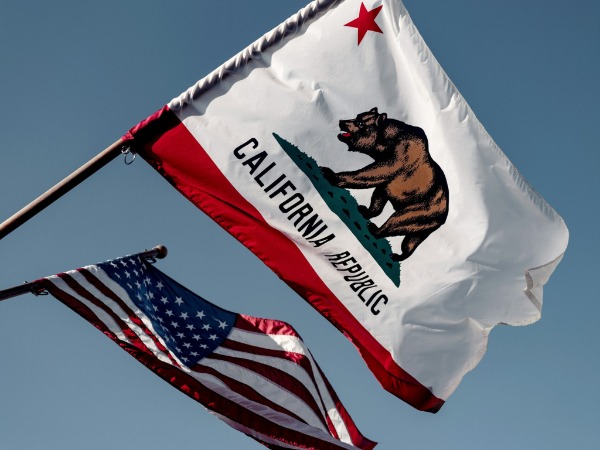
California has officially banned online sweepstakes casinos after Governor Gavin Newsom signed Assembly Bill 831 into law. The bill, passed unanimously by the California Legislature, will take effect on January 1, 2026, marking a decisive shift in the state’s stance toward unregulated online gaming.
Under the new legislation, it is unlawful to operate or offer online sweepstakes casino games that use dual-currency systems mimicking real-money gambling. The law also extends to those who “knowingly and willfully support, directly or indirectly” such operations, including financial institutions, payment processors, geolocation providers, gaming content suppliers, platform providers, and media affiliates.
With this move, California becomes the 17th U.S. state to take legal action against online sweepstakes casinos.
Closing the loophole
For years, sweepstakes casinos have operated in a gray zone—marketing themselves as “social” platforms while allowing players to purchase virtual coins that could later be redeemed for cash prizes. Lawmakers described AB 831 as the legislation that finally closes this loophole, ensuring that unlicensed gambling platforms no longer operate under the guise of sweepstakes or social play.
Violations of the new law can result in fines of up to 25,000 dollars or up to one year in county jail, or both.
Importantly, the bill includes exemptions for:
Licensed gaming operations such as California’s tribal casinos and the state lottery
Legitimate promotional sweepstakes tied to real products or services
Casual players, who are not held liable under the law
Tribal support and regulatory intent
The push for AB 831 came largely from California’s tribal gaming operators, who argued that sweepstakes casinos had been encroaching on their exclusive gaming rights. Supporters say the law restores integrity to the state’s regulated gaming environment while protecting consumers from unregulated operators.
Assemblymember Avelino Valencia, who authored the bill, emphasized that the intent was to ensure fair competition and clear legal boundaries within the gaming industry. “These companies were exploiting a technicality,” Valencia said when introducing the measure. “AB 831 reaffirms that gambling in California must be licensed, transparent, and accountable.”
Industry pushback
While the legislation passed with overwhelming political support, not everyone in the industry welcomed it. The Social Gaming Leadership Alliance (SGLA) and other stakeholders warned that the bill could stifle innovation and lead to job losses in the social gaming sector.
Some smaller tribes and operators had expressed concerns that the law might cut off digital opportunities for communities seeking alternative revenue sources. Others questioned whether the sweeping liability language might deter tech firms and advertisers from working with legitimate entertainment platforms.
Several major sweepstakes casinos, including High 5 Casino and Fortune Coins, began blocking California players ahead of the bill’s signing. Other providers and content partners have also started adjusting compliance policies in anticipation of the 2026 deadline.
A growing national trend
California’s decision follows a broader national trend toward regulating or banning sweepstakes-style casinos. Sixteen other states have already acted through legislation, cease-and-desist orders, or legal enforcement.
Given California’s size and influence, its move is expected to accelerate similar efforts in other jurisdictions, including New York, Michigan, and Florida. Industry analysts suggest that 2026 could mark a turning point for the sweepstakes casino model across the United States.


